
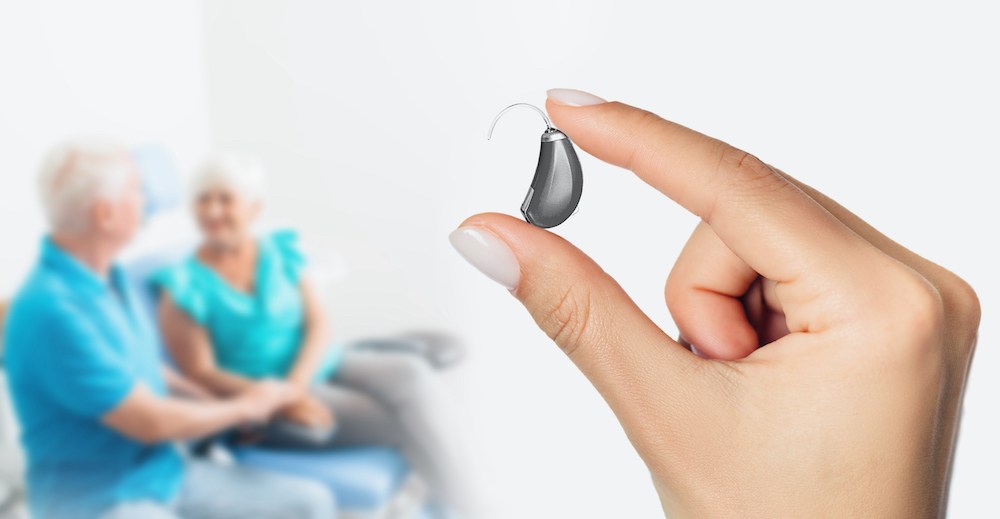
If your hearing aids keep slipping, feel uncomfortable or have started whistling, tell your hearing care professional what changed. The symptoms alone do not identify the cause. A useful starting point is a specific description of when it happens, which side is affected and how it differs from your usual experience.
You do not need the technical vocabulary before asking for help. “The right one moves when I put on my glasses” is a useful observation. So is “It feels comfortable at first, then presses in the same spot later.” Those are examples of how to describe a concern, not accounts of individual patients.
Separate how it feels from how it sounds
A physical-fit concern might involve slipping, rubbing or difficulty putting the hearing aid in place. A listening concern might involve unclear speech, unfamiliar volume or a whistling sound. Sometimes people notice both.
NIDCD explains that hearing aid discomfort and feedback should be discussed with a hearing professional. Whistling can have more than one cause, including fit, device function or blockage. It is not a reliable way to diagnose the problem yourself. NIDCD: Hearing aids.
Try describing each concern separately. Rather than saying “Nothing is working,” you might say, “The device stays in place, but speech at dinner is difficult,” or “I can hear the television, but the left device keeps moving.” That gives the conversation a clearer starting point.
Bring one everyday example
Before your visit, make a short note when you notice the problem. You can use paper, a phone note or whichever method is easiest.
| Question | Your observation |
|---|---|
| Which side? | Left, right or both |
| When does it happen? | Putting it on, wearing glasses, speaking, eating or later in the day |
| What do you notice? | Movement, pressure, discomfort, whistling or a listening change |
| When did it start? | A new issue or something present from the first fitting |
| What changed recently? | A replacement part, new glasses or another change you noticed |
| What would help most? | A more secure fit, comfort or a specific listening goal |
You are recording observations, not trying to decide which part needs replacing. Avoid forcing a device into place or experimenting with an unfamiliar component. Use the fitting and care instructions supplied for your device, and ask when those instructions do not resolve your question.
A different dome is not automatically the answer
It can be tempting to buy another size because a device feels loose. The correct choice depends on the particular hearing aid and your fitting. A symptom such as whistling does not by itself prove that a larger or smaller part is needed.
Bring the device and describe what happens. If a part was recently replaced, mention that. Our guide to hearing aid domes and fit provides background for that conversation; it is not a substitute for checking your own fitting.
Could a custom ear mold help?
A custom ear mold is shaped for your ear and connects to a compatible hearing aid. It is one option we can consider when a standard dome does not give you the fit you need. The choice depends on your ear, your hearing needs and your particular device, so bring the hearing aid with you rather than ordering a replacement part on your own.
We can check the fit, discuss whether a custom mold makes sense and explain the next steps. When custom molds are part of resolving a fit concern with hearing aids supplied by our practice, they are typically included in that care. Ask our team what applies to your devices before proceeding.
What to ask at a follow-up
A useful visit should leave you understanding the next step. You can ask:
- Can you show me how this device should sit and how to put it in?
- Is the concern about physical fit, sound, device condition or something that needs further assessment?
- What should I notice after the proposed change?
- What care instructions apply to this exact device?
- When should I contact you again if the problem continues?
The Hearing Guy emphasizes personal attention and ongoing hearing care. That means your everyday experience belongs in the conversation. It does not mean every concern has the same cause, every device needs the same adjustment or every person follows a fixed visit schedule.
For listening situations that are difficult to explain, the existing listening-log guide can help you bring clearer examples.
Do not treat a sudden hearing change as a fitting problem
Sudden hearing loss needs urgent medical evaluation. Do not wait for a routine hearing aid adjustment or assume that wax is the cause. NIDCD advises immediate medical attention for sudden deafness symptoms. NIDCD: Sudden deafness.
Pain or bleeding also deserves medical assessment rather than treating it as an ordinary device-fit question.
Talk with our Asheville or Hendersonville team
If your prescription hearing aids are slipping or uncomfortable, request a visit or call (828) 274-6913. Tell the team what you are noticing and ask what to bring. For devices purchased elsewhere, ask about service eligibility and any fees before assuming coverage.
The Hearing Guy does not service, repair, program or troubleshoot OTC hearing devices. Contact the manufacturer or seller for OTC device support.