A patient told me something a few months ago I think about a lot.
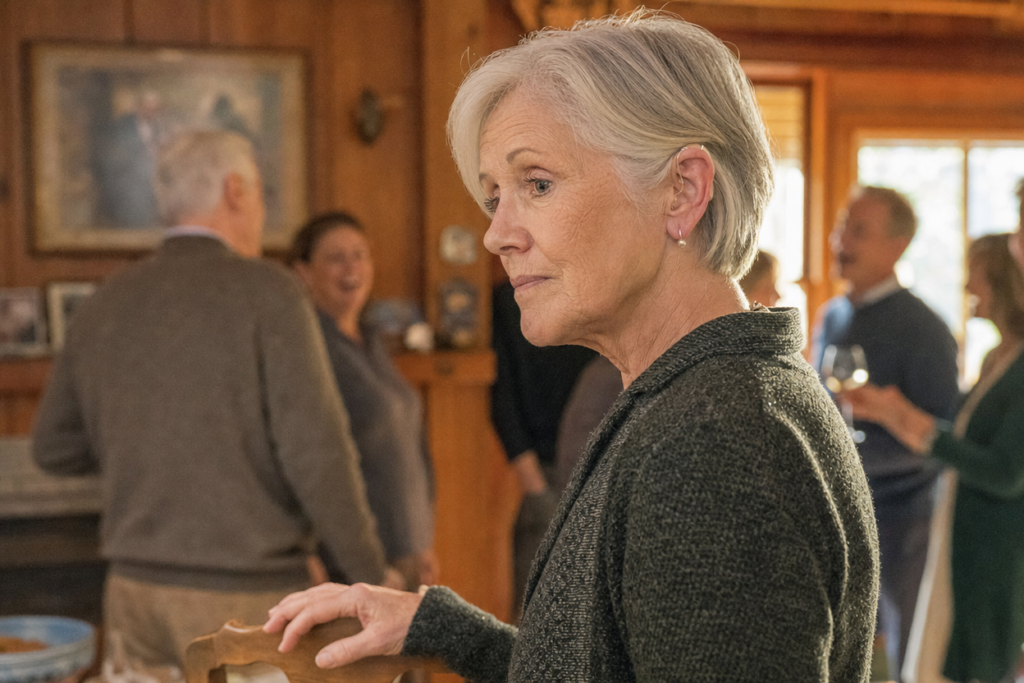
She said, “Brent, I didn’t notice I’d stopped going to bridge club until my friend called and said she missed me. I’d just been making excuses. I told her I was tired. I told her my back hurt. The real answer was that I couldn’t hear what anyone was saying at the table anymore, and pretending to follow along was wearing me out.”
She’d been making excuses to herself for two years.
That story isn’t rare. It’s almost a script. The details change — bridge club, church choir, family dinners, the regular Tuesday coffee with friends — but the pattern repeats so often I can practically tell you what’s coming when a patient starts the story.
What the research is saying
I want to start with the data because I think it grounds the conversation.
Studies looking at older adults with untreated hearing loss have repeatedly found higher rates of social isolation and loneliness compared to peers with normal hearing or treated hearing loss. The relationship holds up even when researchers control for age, health status, and living situation.
This matters because social isolation isn’t just an emotional issue. The research has linked chronic loneliness in older adults to higher rates of depression, cognitive decline, cardiovascular problems, and a generally shorter lifespan. The U.S. Surgeon General has called loneliness a public health concern in its own right.
So when we talk about hearing loss and social isolation, we’re not talking about hurt feelings. We’re talking about something that ripples into the rest of your health in measurable ways. There’s overlap here with the broader hearing and dementia conversation — social engagement is one of the protective factors that gets disrupted when hearing loss goes untreated.
How withdrawal actually happens
People don’t make a decision to withdraw. That’s the part I want patients to understand.
You don’t sit down one day and say, “I’m going to stop going to my book club because I can’t hear it anymore.” What happens is much quieter than that.
First, you go to the book club and you miss a few comments. You ask once or twice, then stop asking. You laugh when other people laugh because you don’t want to be the person who didn’t get the joke. You go home tired.
Next month, the meeting falls on a day you have a slight headache. You skip it. Skipping feels easier than going. You tell yourself you’ll go next time.
The month after that, you don’t even register that the meeting is happening. Three months in, the host stops sending you the calendar invite because she figured you weren’t coming anyway.
That’s not a decision. That’s a series of small accommodations that add up to disappearing from your own life.
The same pattern plays out at family gatherings, in church, in friendships, on the phone with grandkids. Each individual choice feels minor. The cumulative result is a smaller life.
What patients tell me when they get their hearing back
The part I find genuinely moving in this work is what happens on the other side.
When somebody who’s been quietly withdrawing for years gets fitted properly, comes back for their three follow-ups, and gives it the few weeks the brain needs to adjust — the change isn’t usually dramatic in one moment. It’s a slow flip in how they engage with their week.
They tell me they went out to dinner with friends and stayed for dessert. They tell me their wife says they’re talking more at the dinner table. They tell me they answered the phone instead of letting it go to voicemail. They tell me they’re back at bridge club.
A few months ago a husband and wife came in together. She’d insisted he get evaluated. He’d resisted for a couple of years. We fit him, he did his follow-ups, and at the three-month visit she got a little teary and told me that for the first time in a long time, he was telling her stories at dinner again. He’d been so worn out from listening that he didn’t have anything left to say. Getting his hearing back gave him back the energy to talk.
That’s the part nobody tells you about in the brochures. Hearing isn’t only about what you receive. It’s about what you have the energy to give.
The “I’m fine, I just don’t enjoy crowds anymore” trap
This is the explanation patients give themselves and their families when they’re in the middle of withdrawing. It sounds reasonable. Plenty of people don’t love crowds. Plenty of people get more introverted as they age.
But I’d ask you to be honest with yourself if you’ve been telling yourself some version of this. Have you stopped enjoying crowds, or have you stopped being able to follow conversation in them? Have you stopped wanting to go out to restaurants, or have you stopped being able to hear your friends across the table? Have you stopped calling your kids, or have you stopped being able to make out their voices on the phone?
Those are different things. The first is a preference. The second is a hearing issue dressed up as a preference because that’s an easier story to tell yourself.
What a small evaluation can change
Getting a hearing test is a low-stakes way to find out which one is happening. We do the test. I tell you what I see. If your hearing is fine, you walk out knowing it really is just that you don’t love crowds anymore — and that’s a legitimate answer. If your hearing isn’t fine, you have information.
I’m not going to push you into hearing aids in that appointment. I’m not going to push you into anything at any appointment. My job is to give you a picture and let you decide what to do with it.
How we work with patients on this
A few practical things about how we approach patients where social withdrawal is part of the picture.
We spend time on the audiogram, but we spend more time on the story. Where are you struggling? Family dinners? Restaurants? Church? Phone calls with your daughter? Each environment has different acoustic challenges, and we tailor the recommendation accordingly.
When we fit hearing aids, we test them in those actual environments. That’s the “Experience Hearing” piece I keep coming back to. The point isn’t to make a number on a screen go up. The point is for you to be able to hear your daughter on the phone, your wife at dinner, your friend across the table at the diner.
We follow up. Three visits are built into a standard fitting at our clinic. If we don’t have it right at the first visit, we’ll keep adjusting until we do.
We don’t push. If you come in and decide it’s not the right time for hearing aids, that’s fine. The evaluation is still worth doing. You’ll know what’s going on, and you can come back when you’re ready.
If this sounds familiar
If you’ve been quietly slipping out of the rooms where your life used to happen — book club, church, family dinners, the regular Friday breakfast with friends — and you’ve been blaming it on tiredness or your back or just getting older, I’d love to do a hearing evaluation with you.
We’ve been independently owned in Asheville since 2014, with a second location in Hendersonville. I’m Brent Steele. My wife Leslie runs the office. We take our time. We don’t push.
Come Experience Hearing for yourself or call (828) 274-6913. For the broader picture, explore the connections between hearing and overall health.
The room you’ve been quietly leaving may still have your seat waiting.